What Is the Typical Lifespan of LED Street Lights and How to Maximize It?
Municipalities, contractors, and industrial buyers are rapidly replacing traditional street lighting with LED Street Lights – and for good reason. Compared to high‑pressure sodium or metal halide lamps, LED Lights offer dramatically longer service life, lower energy consumption, and better light quality. But what exactly is the “typical lifespan” of a modern LED lighting fixture? More importantly, how can you ensure your LED Street Lights for Roads actually reach that number – or even exceed it – without premature failures?
1. What Is the Typical Lifespan of LED Street Lights?
The industry standard for LED Street Lights is a rated lifespan of 50,000 to 100,000 hours – sometimes even more. Unlike conventional lamps that fail catastrophically (the filament breaks or the arc tube cracks), LEDs gradually lose brightness over time. Lifespan is usually defined as L70, meaning the point when the light output has degraded to 70% of its initial lumens.
• Average quality LED street light: 50,000 hours (≈11 years at 12 hours/night)
• Premium quality LED street light (like RS‑AG series): 100,000+ hours (≈22+ years at 12 hours/night)
Why such a big difference? Because the LED chips themselves are rarely the first component to fail. High‑quality chips from brands like SMD or Philips can theoretically last 150,000 hours. The real limits come from driver electronics, thermal management, and environmental protection.
For road authorities, choosing a fixture with a verified L70 ≥ 100,000 hours reduces repurchasing and labour costs by half over two decades – a massive total cost of ownership advantage.
2. Factors That Shorten the Lifespan of LED Street Lights
Even the best LED Street Lights for Roads can fail early if exposed to harsh conditions or poor design. Here are the top three killers of LED lifespan:
a) Heat (Thermal Stress)
LEDs are semiconductor devices – excessive heat accelerates lumen depreciation and shifts colour. Every 10°C increase in junction temperature can halve the lifespan. Common causes: undersized heat sinks, blocked airflow, or driving LEDs at maximum current without derating.
b) Moisture & Contaminants
Roadside fixtures face rain, snow, road salts, and dust. If the housing is not properly sealed, humidity corrodes electrical contacts and causes driver failure. Low‑quality IP65 lights may leak over time – that’s why IP67 (like the RS‑AG series) is strongly recommended for roads, offering total dust‑tightness and protection against temporary immersion.
c) Poor Driver Quality
The LED driver converts AC mains to low‑voltage DC. Cheap drivers use low‑grade electrolytic capacitors that dry out after 2–3 years of continuous operation, killing the entire fixture. A high‑quality driver with 100,000‑hour rated capacitors and surge protection (≥6kV) is essential.
3. How to Maximize the Lifespan of Your LED Street Lights
You can significantly extend the life of your LED lighting investment by following these five practical strategies:
✅ 1. Choose Fixtures with Superior Thermal Management
Look for die‑cast aluminium housings with large finned surfaces. The RS‑AG series uses a unibody aluminium heat sink that separates the LED chamber from the driver chamber, allowing independent cooling. Active cooling (fans) is rare in street lights due to reliability concerns – passive cooling is preferred.
✅ 2. Demand IP67 or Higher for Roads
IP65 is acceptable for sheltered areas, but for open roads where rain, high‑pressure washing, or temporary flooding can occur, IP67 is the safer choice. The RS‑AG series offers IP67, meaning no water ingress even if the fixture is submerged briefly. This also prevents dust build‑up inside the optical lens.
✅ 3. Specify High‑Efficiency Drivers with Surge Protection
A driver with >92% efficiency generates less internal heat. Also, ensure it has 6kV or 10kV surge protection (common in lightning‑prone regions). The RS‑AG series includes an isolated driver with 6kV surge immunity and a wide voltage range (100–277V AC), which stabilises output during grid fluctuations.
✅ 4. Install Correctly & Allow Airflow
Even the best LED Street Lights will overheat if installed inside a decorative enclosure or too close to a ceiling/roof. Leave at least 15 cm of clearance around the heat sink. For pole mounting, ensure the bracket doesn’t block the cooling fins.
✅ 5. Implement Smart Dimming & Scheduling
Running LEDs at full power 12 hours every night is unnecessary during low‑traffic hours (midnight to dawn). Use a programmable driver or NEMA/Zhaga socket to dim the light to 50% or 30% automatically. This reduces junction temperature and extends lifespan proportionally – often by 30–40%. Many modern LED Street Lights for Roads come with integrated motion sensors or time‑based dimming profiles.
If you’re procuring LED Street Lights for a highway, residential road, or industrial park, the RS‑AG series (100W, 140W, 200W) combines every longevity feature into one cost‑effective package:
• 190 lm/W – Among the highest efficacy available, meaning less waste heat per lumen. Lower thermal load = longer chip life.
• IP67 rating – Truly dust‑tight and waterproof. Tested to withstand 30 minutes under 1m of water. No more failures from seasonal rains or street cleaning.
• SMD chips with copper‑core PCB – Superior heat transfer compared to standard aluminium PCBs. The L70 rating exceeds 100,000 hours at 25°C ambient.
• Surge protection 6kV – Built‑in varistor and thermal disconnect for lightning‑prone areas.
• Tool‑less driver replacement – The driver compartment is accessible without removing the entire fixture, making maintenance fast and cheap if a driver ever fails (unlikely before 100,000 hours).
With a 5‑year warranty and a design life of 100,000+ hours, the RS‑AG series allows municipalities to “install and forget” – slashing maintenance budgets for decades.

Conclusion
The typical lifespan of quality LED Street Lights is 100,000 hours or more – equivalent to 20+ years of nightly operation. However, this impressive number is only achievable if the fixture features excellent thermal management, a robust IP67 enclosure, and a high‑grade driver. Without these, even good LED Lights can fail in 3–5 years.
To maximise your LED lighting investment for roads, always specify IP67, 190 lm/W or higher, and surge protection. The RS‑AG series exemplifies these characteristics, delivering reliable, long‑lasting illumination for highways, residential streets, and industrial zones.
Ready to upgrade your road lighting to a system that outlasts two decades of heavy use? Contact us for a free lifespan projection and sample testing of the RS‑AG series.
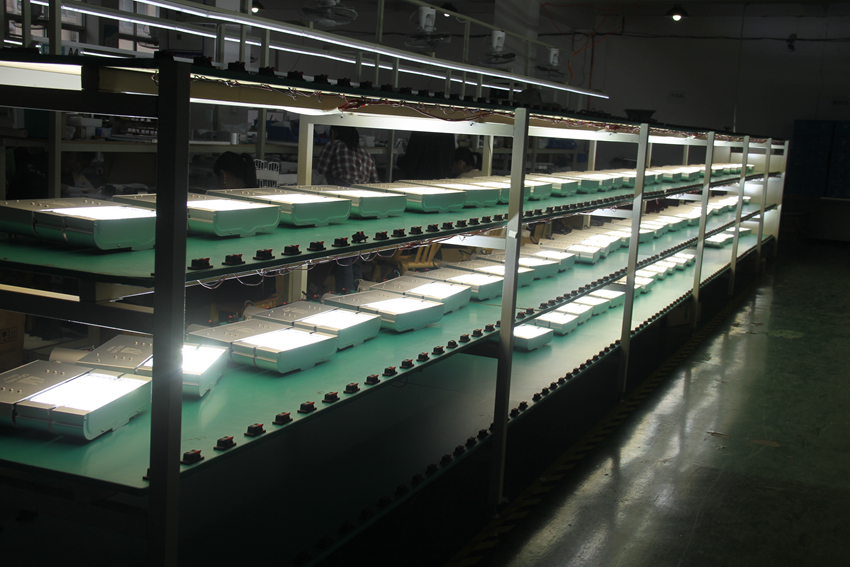
Illuminate safer roads. Reduce repaving‑like costs on lighting. Choose RS‑AG – built for the long run.
In this guide, we’ll explain the real‑world lifespan of LED street lights, the factors that shorten it, and practical steps to maximize durability. We’ll also highlight how the RS‑AG series (100W/140W/200W, IP67, 190 lm/W) embodies best‑in‑class engineering for long‑term road lighting.
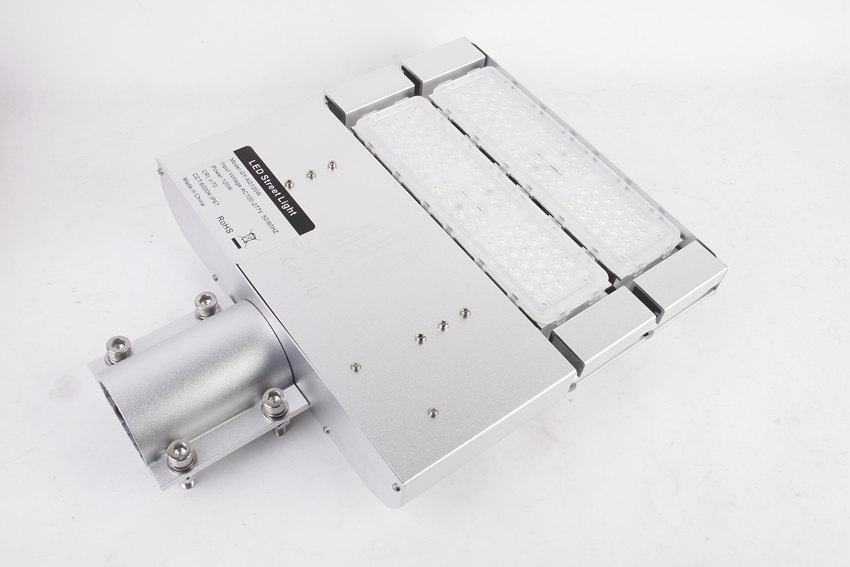
1. What Is the Typical Lifespan of LED Street Lights?
The industry standard for LED Street Lights is a rated lifespan of 50,000 to 100,000 hours – sometimes even more. Unlike conventional lamps that fail catastrophically (the filament breaks or the arc tube cracks), LEDs gradually lose brightness over time. Lifespan is usually defined as L70, meaning the point when the light output has degraded to 70% of its initial lumens.
• Average quality LED street light: 50,000 hours (≈11 years at 12 hours/night)
• Premium quality LED street light (like RS‑AG series): 100,000+ hours (≈22+ years at 12 hours/night)
Why such a big difference? Because the LED chips themselves are rarely the first component to fail. High‑quality chips from brands like SMD or Philips can theoretically last 150,000 hours. The real limits come from driver electronics, thermal management, and environmental protection.
For road authorities, choosing a fixture with a verified L70 ≥ 100,000 hours reduces repurchasing and labour costs by half over two decades – a massive total cost of ownership advantage.
2. Factors That Shorten the Lifespan of LED Street Lights
Even the best LED Street Lights for Roads can fail early if exposed to harsh conditions or poor design. Here are the top three killers of LED lifespan:
a) Heat (Thermal Stress)
LEDs are semiconductor devices – excessive heat accelerates lumen depreciation and shifts colour. Every 10°C increase in junction temperature can halve the lifespan. Common causes: undersized heat sinks, blocked airflow, or driving LEDs at maximum current without derating.
b) Moisture & Contaminants
Roadside fixtures face rain, snow, road salts, and dust. If the housing is not properly sealed, humidity corrodes electrical contacts and causes driver failure. Low‑quality IP65 lights may leak over time – that’s why IP67 (like the RS‑AG series) is strongly recommended for roads, offering total dust‑tightness and protection against temporary immersion.
c) Poor Driver Quality
The LED driver converts AC mains to low‑voltage DC. Cheap drivers use low‑grade electrolytic capacitors that dry out after 2–3 years of continuous operation, killing the entire fixture. A high‑quality driver with 100,000‑hour rated capacitors and surge protection (≥6kV) is essential.
3. How to Maximize the Lifespan of Your LED Street Lights
You can significantly extend the life of your LED lighting investment by following these five practical strategies:
✅ 1. Choose Fixtures with Superior Thermal Management
Look for die‑cast aluminium housings with large finned surfaces. The RS‑AG series uses a unibody aluminium heat sink that separates the LED chamber from the driver chamber, allowing independent cooling. Active cooling (fans) is rare in street lights due to reliability concerns – passive cooling is preferred.
✅ 2. Demand IP67 or Higher for Roads
IP65 is acceptable for sheltered areas, but for open roads where rain, high‑pressure washing, or temporary flooding can occur, IP67 is the safer choice. The RS‑AG series offers IP67, meaning no water ingress even if the fixture is submerged briefly. This also prevents dust build‑up inside the optical lens.
✅ 3. Specify High‑Efficiency Drivers with Surge Protection
A driver with >92% efficiency generates less internal heat. Also, ensure it has 6kV or 10kV surge protection (common in lightning‑prone regions). The RS‑AG series includes an isolated driver with 6kV surge immunity and a wide voltage range (100–277V AC), which stabilises output during grid fluctuations.
✅ 4. Install Correctly & Allow Airflow
Even the best LED Street Lights will overheat if installed inside a decorative enclosure or too close to a ceiling/roof. Leave at least 15 cm of clearance around the heat sink. For pole mounting, ensure the bracket doesn’t block the cooling fins.
✅ 5. Implement Smart Dimming & Scheduling
Running LEDs at full power 12 hours every night is unnecessary during low‑traffic hours (midnight to dawn). Use a programmable driver or NEMA/Zhaga socket to dim the light to 50% or 30% automatically. This reduces junction temperature and extends lifespan proportionally – often by 30–40%. Many modern LED Street Lights for Roads come with integrated motion sensors or time‑based dimming profiles.
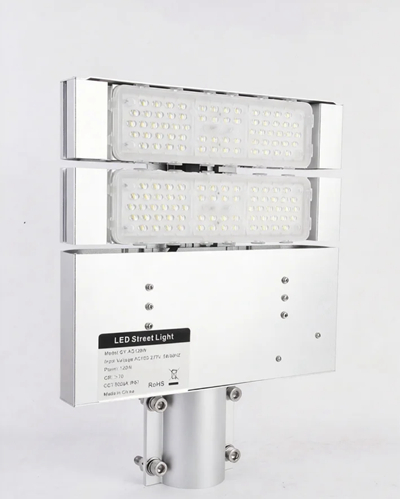
If you’re procuring LED Street Lights for a highway, residential road, or industrial park, the RS‑AG series (100W, 140W, 200W) combines every longevity feature into one cost‑effective package:
• 190 lm/W – Among the highest efficacy available, meaning less waste heat per lumen. Lower thermal load = longer chip life.
• IP67 rating – Truly dust‑tight and waterproof. Tested to withstand 30 minutes under 1m of water. No more failures from seasonal rains or street cleaning.
• SMD chips with copper‑core PCB – Superior heat transfer compared to standard aluminium PCBs. The L70 rating exceeds 100,000 hours at 25°C ambient.
• Surge protection 6kV – Built‑in varistor and thermal disconnect for lightning‑prone areas.
• Tool‑less driver replacement – The driver compartment is accessible without removing the entire fixture, making maintenance fast and cheap if a driver ever fails (unlikely before 100,000 hours).
With a 5‑year warranty and a design life of 100,000+ hours, the RS‑AG series allows municipalities to “install and forget” – slashing maintenance budgets for decades.
Conclusion
The typical lifespan of quality LED Street Lights is 100,000 hours or more – equivalent to 20+ years of nightly operation. However, this impressive number is only achievable if the fixture features excellent thermal management, a robust IP67 enclosure, and a high‑grade driver. Without these, even good LED Lights can fail in 3–5 years.
To maximise your LED lighting investment for roads, always specify IP67, 190 lm/W or higher, and surge protection. The RS‑AG series exemplifies these characteristics, delivering reliable, long‑lasting illumination for highways, residential streets, and industrial zones.
Ready to upgrade your road lighting to a system that outlasts two decades of heavy use? Contact us for a free lifespan projection and sample testing of the RS‑AG series.
Illuminate safer roads. Reduce repaving‑like costs on lighting. Choose RS‑AG – built for the long run.